Vrabel Called the Letterman Play

Vrabel Called the Letterman Play

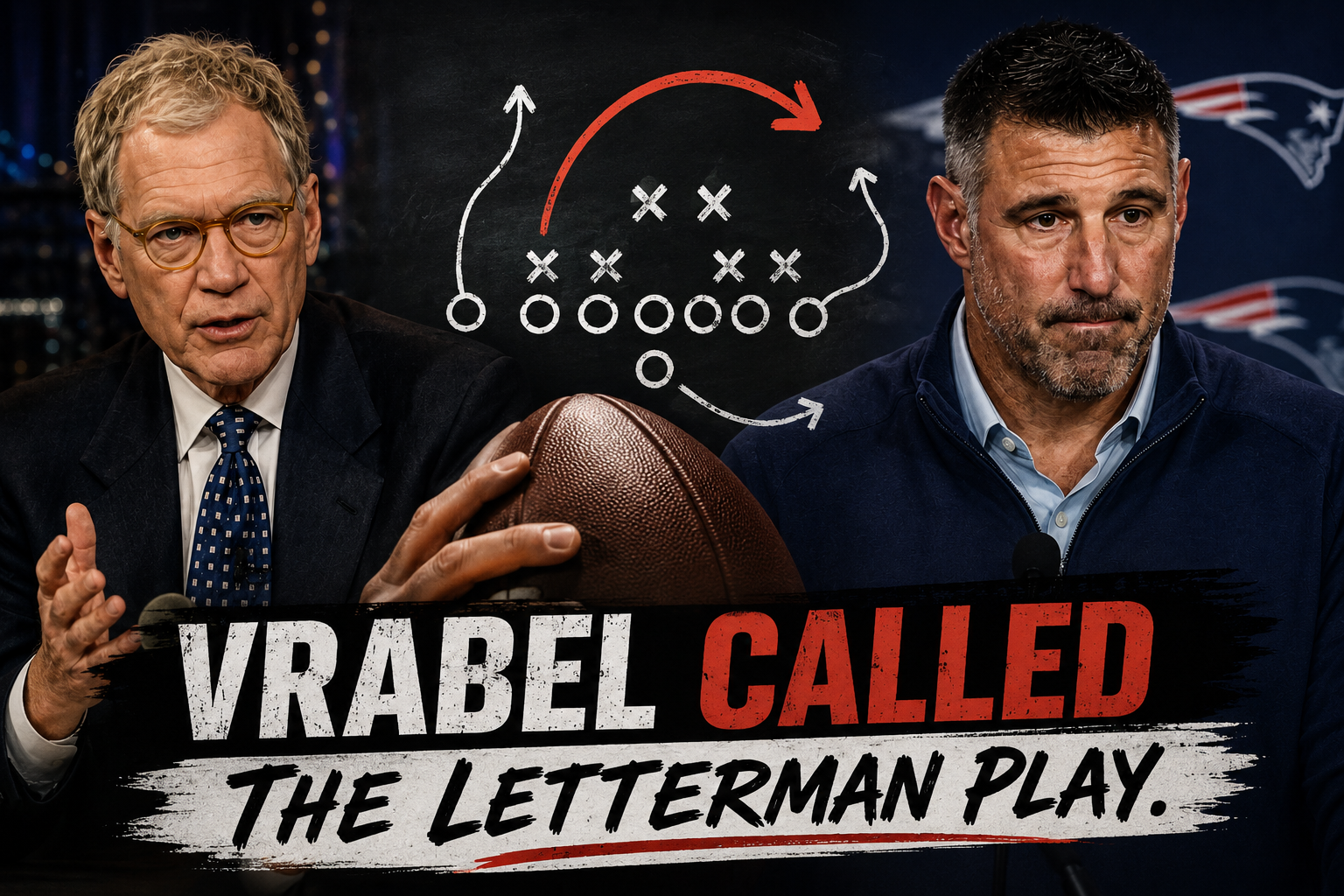
Seventeen years separate two of the more unusual public statements in the history of crisis comms. One was behind a late night desk. The other in front of a wall of NFL sponsor logos. Both men facing questions about their personal conduct. Both attempting to close the matter with a prepared statement. One of them succeeded.

Whether someone in Vrabel's camp pulled up the David Letterman clip from 2009 and said ‘this is our play’ is impossible to know. But the similarities are close enough that coincidence feels like a stretch.

Read More

Thoughts and Prayers (and other things we say that no longer mean anything)

Thoughts and Prayers (and other things we say that no longer mean anything)

I was in a media training session last week with a group of smart, thoughtful and empathetic people. Each was a leader who could potentially be called upon to speak publicly if something went wrong. And in the industry they work in, things occasionally go wrong in ways that affect real people and make big headlines.

Read More

The Most Obvious Question in the Room

The Most Obvious Question in the Room

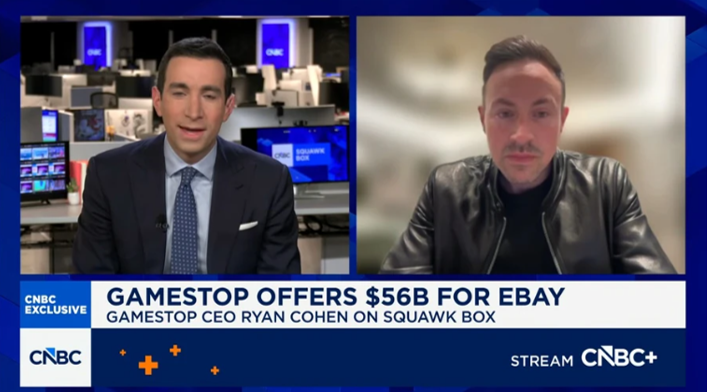
By now, most people in the business world have seen or heard about GameStop CEO Ryan Cohen's CNBC appearance this week, in which he attempted to defend his company's unsolicited $55.5 billion bid to acquire eBay. The interview did not go well. There were long, uncomfortable silences. There were dismissive responses to legitimate questions. When pressed repeatedly about a significant gap in financing for the deal, Cohen told one of the anchors he didn't understand her question and directed viewers to the company website for details. The stock dropped sharply. It became a meme by midday.

Read More

What You Do to the People You Fire Says Everything to the People You Keep

What You Do to the People You Fire Says Everything to the People You Keep

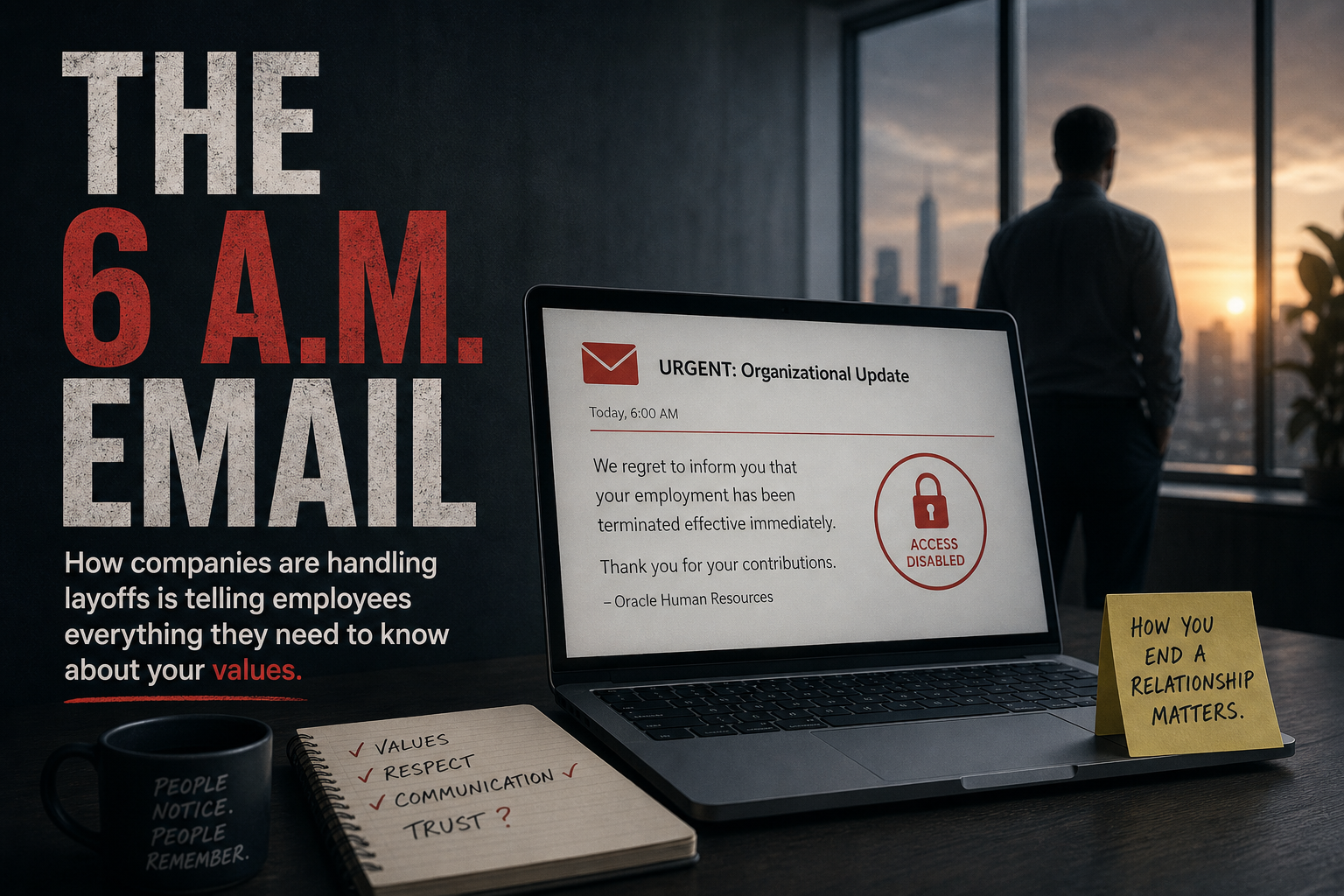
Oracle laid off up to 30,000 people on April 1st. Employees woke up to find an email had arrived early that morning. Their computer access was already gone before they'd read it. What does that say to everyone who's still there?

Read More

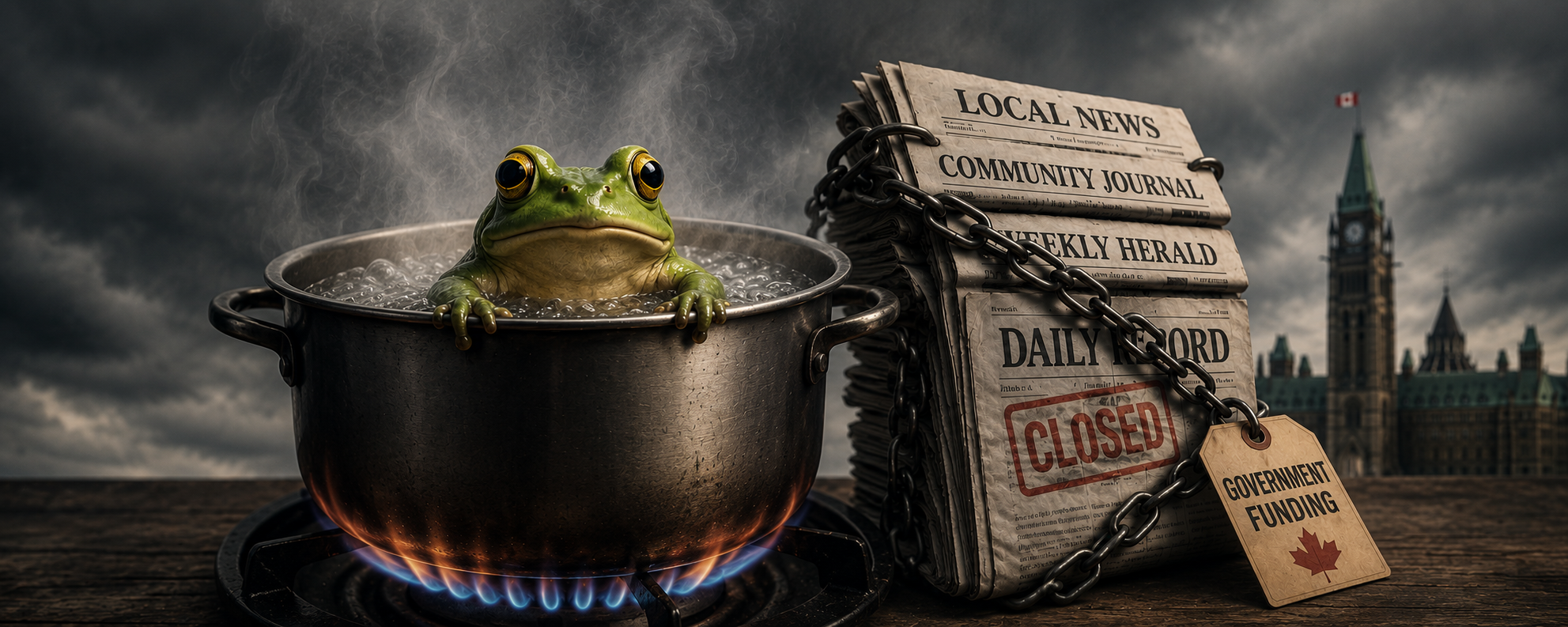
The Slow Erosion of Canadian Journalism (And Why It Should Scare You)

The Slow Erosion of Canadian Journalism (And Why It Should Scare You)

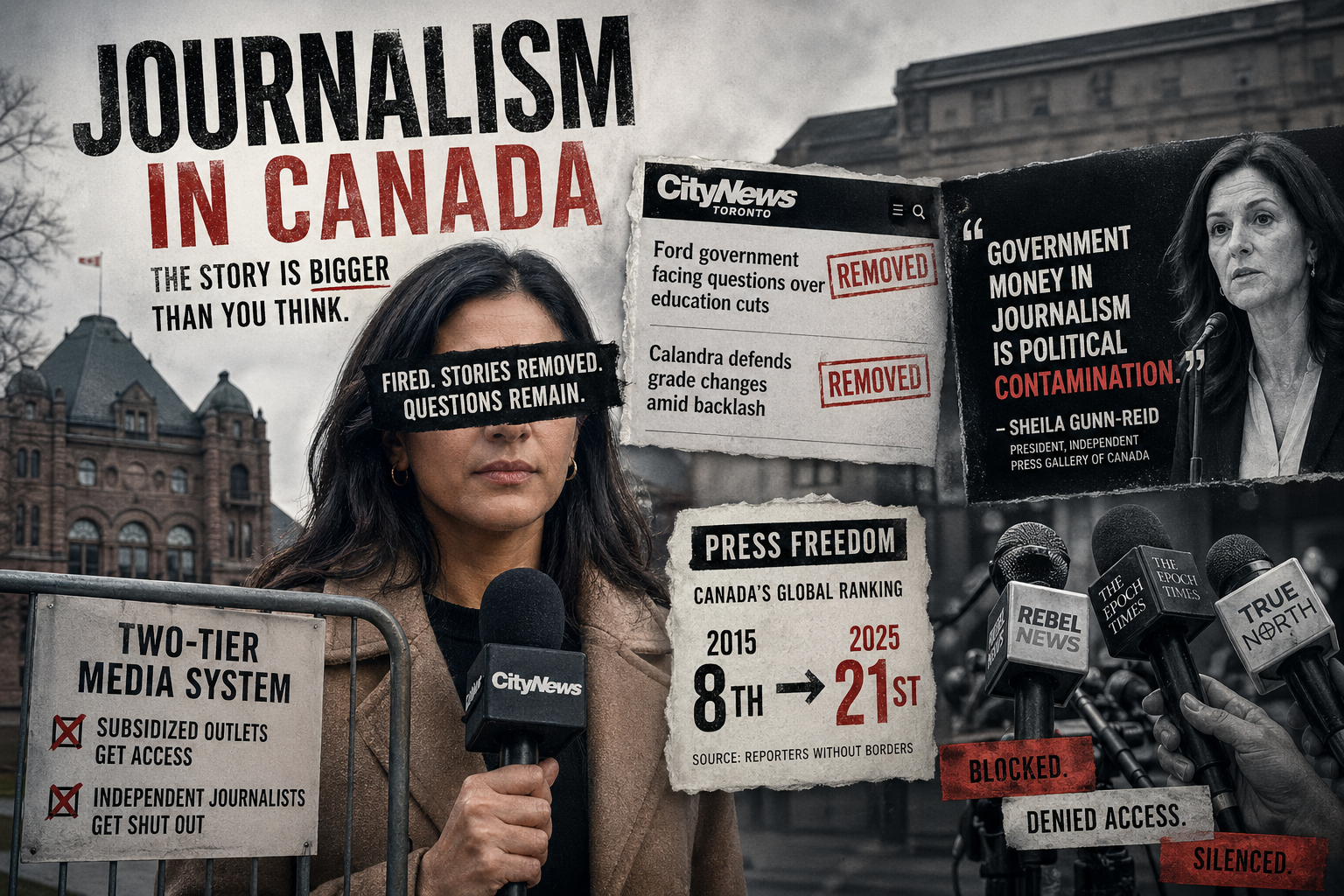
Something is happening to journalism in Canada, and most people are not paying attention. Not because they don't care. But because the very thing that would normally tell them about it is part of the problem.

Read More

The dangers of ignoring the elephant

The dangers of ignoring the elephant

People who don't truly understand the media interview process or how journalism works will often bring an element of wishful thinking to their interviews. Even though they know on an intellectual level that a reporter is almost certain to ask them a very obvious, important and potentially controversial question about a given story, they pretend that it doesn't exist. They prepare for the interview as if that question can't possibly be asked. And when it does invariably get asked, they try to dance around the question, weasel out of it or get flustered and crash and burn.

Read More

Why are there so few examples of great crisis management?

When I ask most audiences to name a company that did a great job managing a crisis, most people (in Canada, anyway) say the name of one company: Maple Leaf Foods. I agree. They did a great job. But the real question is this...Why are there so few examples of excellent crisis management and so many instances of companies doing the wrong thing? The answer, in part, is human nature. That, and a lack of prep and planning.

Media training is the blind spot

Media training is the blind spot

Executives and entrepreneurs dedicate their lives to self improvement. They vie for the most prestigious schools. Many pursue post-graduate studies. They go on retreats, read books, listen to podcasts, attend conferences, do cleanses, meditate, do yoga, try intermittent fasting. They’re constantly on the lookout for a hack. An edge. Something that will make them smarter, more agile, better prepared, more successful.

Read More

Dealing with a crisis? Don't make it worse.

When your company has to contend with a crisis, one of your top jobs is to not make it worse. But there are so many ways to make it worse. Long delays in getting back to the media. A lack of empathy in your response. Insincere or missing apologies. Conflicting messages from multiple spokespeople. The list goes on. Part of any sound crisis management strategy is having a plan in place and training your executives so they know what to do if something goes wrong.

They'll judge you not on the crisis, but on how you handle it...

Bad things happen. They can happen in any sector or industry. For the most part, the public will not judge your organization on the circumstances of your crisis. They are much more likely to judge you on the way you handle it.

Having your PR agency do your media training is a missed opportunity

You wouldn’t get the guys at the quick oil change place to install a new engine in your classic car. You wouldn’t go to your dentist for complicated dental surgery. I think you see where I’m going with this…

When companies let their PR or marketing agency facilitate their media interview training sessions, they’re taking the path of least resistance. They’ll say things like, “It’s included in our monthly retainer" or “We already have a relationship with them”.

Read More

The top things people are worried about before their media interview (and how to address them)

The top things people are worried about before their media interview (and how to address them)

Media interviews can be stressful. After all, there’s a lot on the line. And while no two people are exactly the same, as someone who helps coach people to do better media interviews for a living, I can tell you that there are some very common sources of interview anxiety. Here are the most common reasons people are stressed out about their media interviews (and some tips for minimizing that stress so that your interview goes well) and you can get that great coverage you’re hoping for:

Worry #1: They could ask me anything.

This is the biggest source of anxiety prior to an interview. Your mind starts racing with all the things they ‘might’ ask you and you spiral down a rabbit hole of terrible hypothetical topics. In reality, a media interview is a negotiated interaction. If it’s a proactive story you’re pitching, you know what the topic is. If it’s a reactive story where they’re calling you, the reporter should give you a clear overview of the focus of their story. Once you know the focus, it’s your job to craft some high-quality remarks that cater to that focus and tell an actual story that the reporter’s audience would find interesting. Could they go off script and ask you something totally out of the blue?

Read More

Your social media icons/links are missing!

One of the most basic oversights a lot of organizations are making is that they don’t include their social media links/icons on their websites. I know this because as I was preparing for an industry conference, I was checking out the social media pages of more than 100 associations and I noticed that about HALF of them either didn’t have these icons on their sites at all or they had one (e.g. Facebook) that was put there years ago and hadn’t updated them. It makes it SO much harder for people to find your YouTube account. Your Twitter page, etc. And it’s such an easy fix. Just ask your web people to include the links/icons in a prominent place on your home page AND your contact page.

The two worst characteristics for anyone doing a media interview

Being smart and being nice. Sound strange? Those are actually two of the worst characteristics to bring into your media interview. Now, I’m not saying don’t be smart and don’t be nice. But in this video, I talk a little bit about how these two conversational habits can hurt the effectiveness of your media interviews.

Why you HAVE to review/critique your own media coverage - as uncomfortable as it might be

Why you HAVE to review/critique your own media coverage - as uncomfortable as it might be

I had a refresher media training session with a client last week - the CEO of a large not-for-profit. While we were chatting, I asked what she had thought of the video of her simulated TV interview that I had sent after our initial session back in the spring. She got this sheepish look on her face and said, “…I haven’t watched it yet.”

I’m guessing she’s not the only one. I just assumed that when I sent people the videos of their TV interviews from our training sessions, that they were watching them, analyzing their performance and looking for ways to improve. But I was ignoring one fundamental truth. For many people, watching/reading/listening to your own media coverage can be incredibly uncomfortable.

I get it. People - especially those who demand a lot of themselves (e.g. perfectionists) - often wish they had handled part of the interview differently. Some people just don’t like how they look on camera. Whatever the reason, they let their media coverage (or simulated media training coverage) sit in the cloud or on a hard drive, unread, unwatched, unlistened to.

Read More

Please throw your teleprompter in the garbage

OK that might sound a bit harsh. Teleprompters used to be a coveted and valued piece of video production equipment. But in 2019, you can see a corporate talking head who’s using a teleprompter from 100 feet away and the result is usually a soul crushing, boring video that you click out of as soon as you can. There’s a better way to get your spokesperson’s thoughts on video. A few thoughts on that in this video. Thanks for watching.

When is your media interview over?

When is your media interview over. That’s easy. It’s when they stop asking questions, right? Not so fast! There are a lot of things you can do or say after the last question that can derail your media relations plans. It’s never over until it’s really over. Here are a few things to consider on that note.