Vrabel Called the Letterman Play

Vrabel Called the Letterman Play

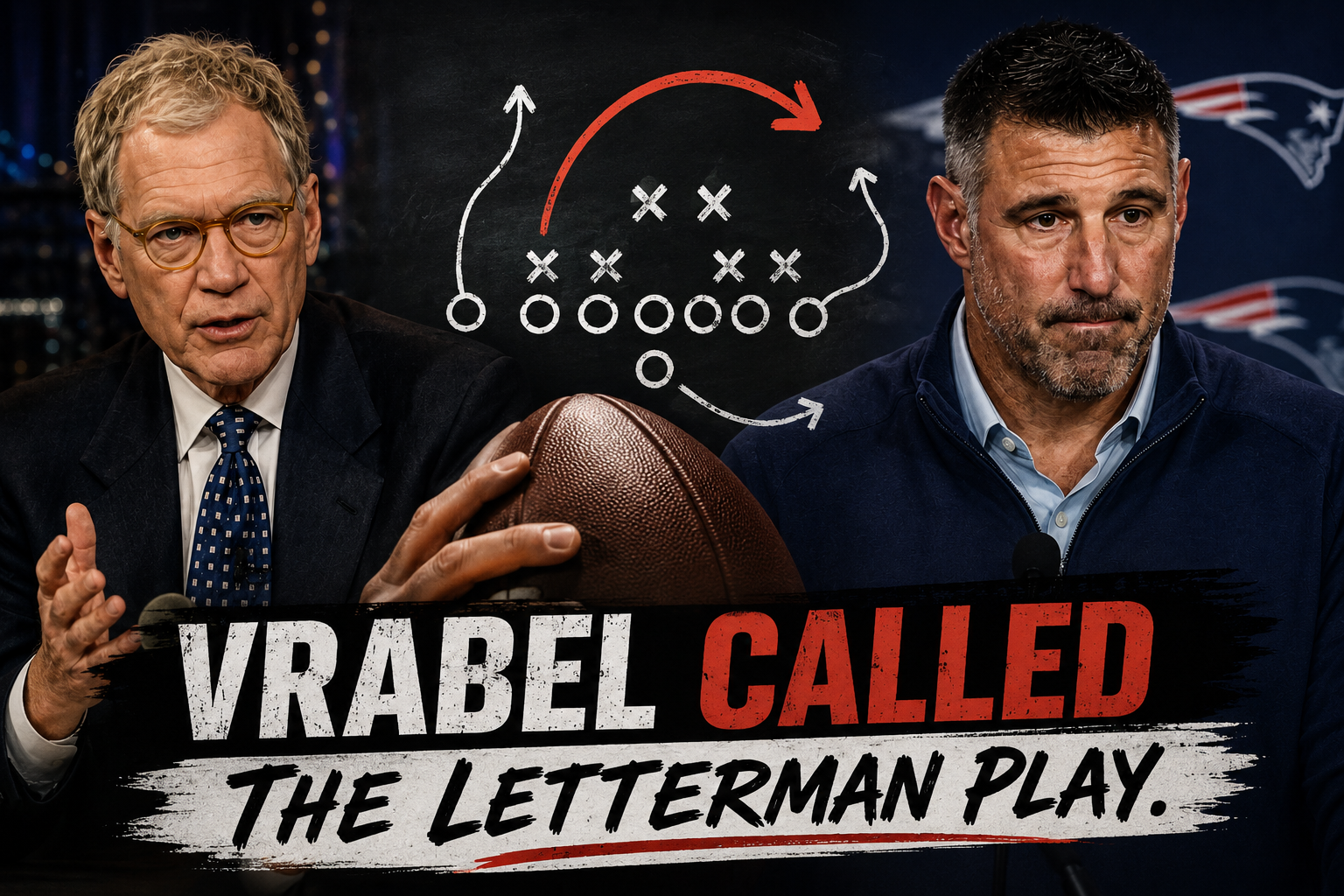
Seventeen years separate two of the more unusual public statements in the history of crisis comms. One was behind a late night desk. The other in front of a wall of NFL sponsor logos. Both men facing questions about their personal conduct. Both attempting to close the matter with a prepared statement. One of them succeeded.

Whether someone in Vrabel's camp pulled up the David Letterman clip from 2009 and said ‘this is our play’ is impossible to know. But the similarities are close enough that coincidence feels like a stretch.

Read More


Thoughts and Prayers (and other things we say that no longer mean anything)

Thoughts and Prayers (and other things we say that no longer mean anything)

I was in a media training session last week with a group of smart, thoughtful and empathetic people. Each was a leader who could potentially be called upon to speak publicly if something went wrong. And in the industry they work in, things occasionally go wrong in ways that affect real people and make big headlines.

Read More

The Most Obvious Question in the Room

The Most Obvious Question in the Room

By now, most people in the business world have seen or heard about GameStop CEO Ryan Cohen's CNBC appearance this week, in which he attempted to defend his company's unsolicited $55.5 billion bid to acquire eBay. The interview did not go well. There were long, uncomfortable silences. There were dismissive responses to legitimate questions. When pressed repeatedly about a significant gap in financing for the deal, Cohen told one of the anchors he didn't understand her question and directed viewers to the company website for details. The stock dropped sharply. It became a meme by midday.

Read More

The Slow Erosion of Canadian Journalism (And Why It Should Scare You)

The Slow Erosion of Canadian Journalism (And Why It Should Scare You)

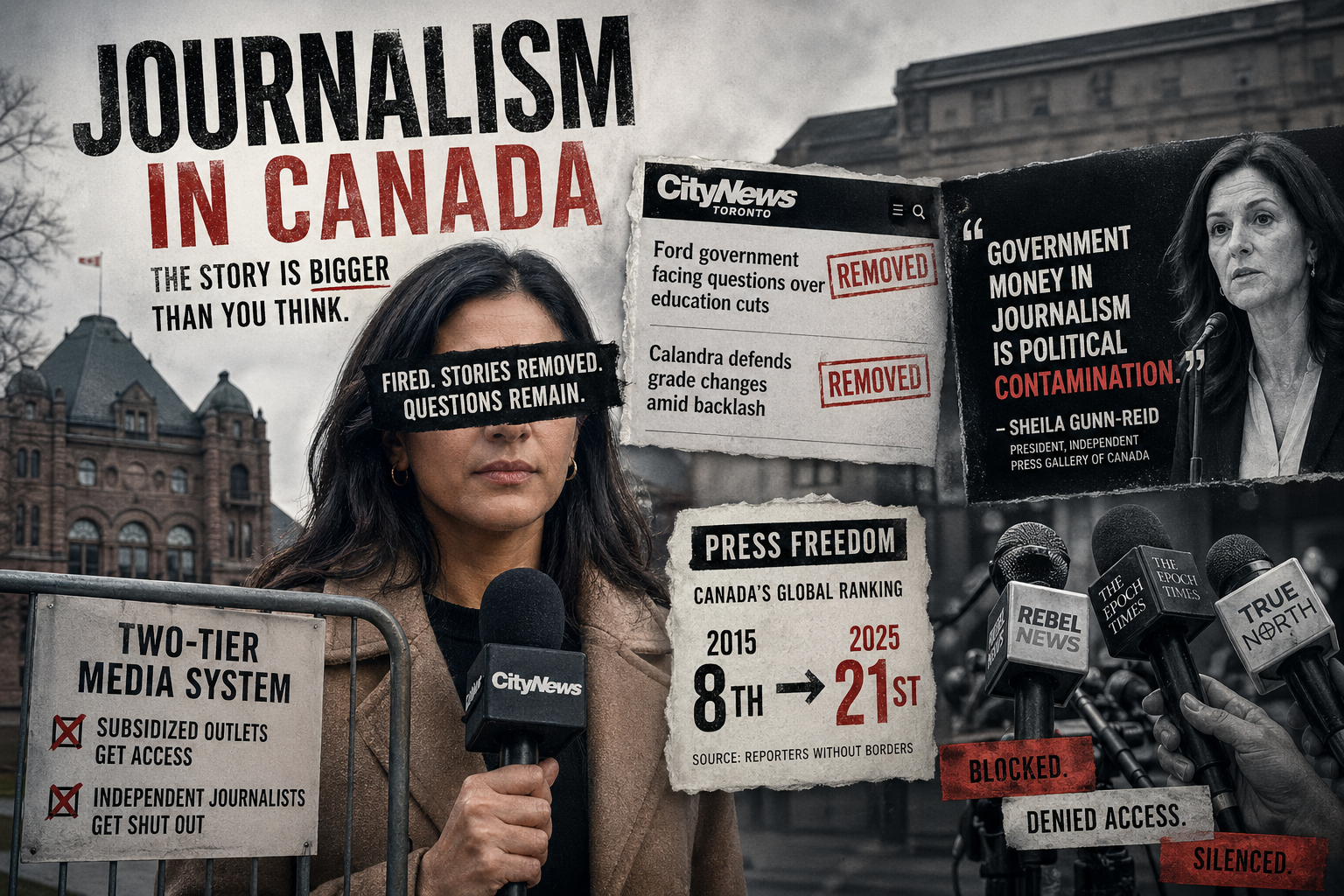
Something is happening to journalism in Canada, and most people are not paying attention. Not because they don't care. But because the very thing that would normally tell them about it is part of the problem.

Read More

The dangers of ignoring the elephant

The dangers of ignoring the elephant

People who don't truly understand the media interview process or how journalism works will often bring an element of wishful thinking to their interviews. Even though they know on an intellectual level that a reporter is almost certain to ask them a very obvious, important and potentially controversial question about a given story, they pretend that it doesn't exist. They prepare for the interview as if that question can't possibly be asked. And when it does invariably get asked, they try to dance around the question, weasel out of it or get flustered and crash and burn.

Read More

Why are there so few examples of great crisis management?

When I ask most audiences to name a company that did a great job managing a crisis, most people (in Canada, anyway) say the name of one company: Maple Leaf Foods. I agree. They did a great job. But the real question is this...Why are there so few examples of excellent crisis management and so many instances of companies doing the wrong thing? The answer, in part, is human nature. That, and a lack of prep and planning.

Media training is the blind spot

Media training is the blind spot

Executives and entrepreneurs dedicate their lives to self improvement. They vie for the most prestigious schools. Many pursue post-graduate studies. They go on retreats, read books, listen to podcasts, attend conferences, do cleanses, meditate, do yoga, try intermittent fasting. They’re constantly on the lookout for a hack. An edge. Something that will make them smarter, more agile, better prepared, more successful.

Read More

Dealing with a crisis? Don't make it worse.

When your company has to contend with a crisis, one of your top jobs is to not make it worse. But there are so many ways to make it worse. Long delays in getting back to the media. A lack of empathy in your response. Insincere or missing apologies. Conflicting messages from multiple spokespeople. The list goes on. Part of any sound crisis management strategy is having a plan in place and training your executives so they know what to do if something goes wrong.

They'll judge you not on the crisis, but on how you handle it...

Bad things happen. They can happen in any sector or industry. For the most part, the public will not judge your organization on the circumstances of your crisis. They are much more likely to judge you on the way you handle it.

A media relations primer for Anthony Scaramucci

A media relations primer for Anthony Scaramucci

Apparently the new White House Communications Director doesn't understand how journalism works. Here's a quick primer:

  • If you're talking to a reporter, that's an interview.
  • Anything you say during an interview can be used by the reporter (unless you clarify and agree in advance that something is either 'background' or 'off the...
Read More

Top 10 posts of 2013

Top 10 posts of 2013

Just in case you're not completely sick of year-end or top 10 lists yet, here's a quick rundown of The Art of the Great Media Interview's top 10 posts of the past year based on numbers of web views and social sharing stats:

Read More

Are Rob Ford's talking points working?

Are Rob Ford's talking points working?

Rob Ford and his brother Doug launched an ambitious media blitz last week to hit back at critics. But how effective was their strategy? I had a chance to chat with Elissa Freeman of Canada.com a few days ago to give her my two cents about Rob Ford's PR strategy (or lack thereof). Other PR folks who weighed in with their opinions were Jodi Echakowitz of Echo Communications and Diana Conconi

You can read the article here. Thanks to Elissa and Canada.com for asking me to participate. 

Read More

Rob Ford beats Obamacare, Fukushima and Lady Gaga for news searches

Rob Ford beats Obamacare, Fukushima and Lady Gaga for news searches

Thanks to the six-month long Crackgate scandal and the ensuing media coverage Toronto Mayor Rob Ford is one of the most recognizable people in the world. Ford has become a running segment on The Daily Show. He's been ridiculed by David Letterman, Jay Leno, the Jimmies (Kimmel and Fallon), Howard Stern and Saturday Night Live. It seems like the whole world is talking about Toronto's mayor. But is there an objective way to see how big the Rob Ford story really is?

Read More

Shoving reporters is not a great media strategy

Shoving reporters is not a great media strategy

Another day, another media circus around Toronto Mayor Rob Ford. CBC reporter Steven D'Souza just posted this Vine video of one of the Mayor's aides physically shoving reporters out of the way. As you can see from the video, this is pretty aggressive stuff. D'Souza said in a later tweet that the shoving was much worse inside the office area.

Read More

How big is the Rob Ford story? Let's ask Google Trends

How big is the Rob Ford story? Let's ask Google Trends

Mayor Rob Ford is (once again) dominating news headlines after Toronto Police announced they have a copy of the infamous cellphone video from last May. But just how big is the Rob Ford story? To give you an idea, here's a Google Trends comparison of worldwide news search volumes over the past 30 days. To put the media attention around the Rob Ford story in context, I wanted to compare search volumes around other big names in the news this month...

Read More

Stonewalling the media only delays the inevitable

Stonewalling the media only delays the inevitable

 A little over five months. In the end, that's how much time Toronto Mayor was able to buy himself by stonewalling the media when faced with accusations of appearing in a video smoking a crack pipe. 

Ford was swarmed relentlessly by the media for weeks last spring. At his home. At his office. At official events. His response was to ignore their questions. His most fulsome statement, made on May 24, 2013, one week after the allegations first surfaced, included the following quote: "Number one, there's no video, so that's all I can say. I can't comment on something that doesn't exist." 

Read More

Burkhardt's poor media relations skills making bad situation worse

Burkhardt's poor media relations skills making bad situation worse

It's been nearly a month since the deadly train disaster in Lac-Mégantic, Quebec, which claimed the lives of 47 people and caused hundreds of millions of dollars in damages. Several days after the deadly derailment occurred, Edward Burkhardt, chairman of Montreal, Maine & Atlantic, the train company involved in the crash, held an impromptu press conference in the town. Burkhardt was widely criticized by communicators, the media and the public for what appeared to be a completely tone deaf and insensitive response to the unfolding crisis. So when the CBC interviewed Burkhardt on July 31, listeners might have assumed the railway executive would have undergone extensive media training and that he be able to demonstrate some level of sympathy, regret and a commitment to get to the bottom of what caused the disaster to help prevent something like this from happening in the future. 

Read More

The perils of 'off the record'

The perils of 'off the record'

As communications director to Anthony Weiner, Barbara Morgan was probably secretly awaiting some controversial gaffe by a public figure that would distract the media's attention from her serial sexting employer. Well, mission accomplished. The problem (for Morgan, at least) was that she, herself, was the source of the controversial distraction. While reacting to news that a former intern had written a disparaging article about Weiner and his mayoral campaign in the New York Daily News, Morgan launched into a hard-core, foul-mouthed tirade about the former intern while speaking to a reporter...

Read More

Twitter metrics show extent of backlash against Weiner

Twitter metrics show extent of backlash against Weiner

For the second time in just over two years, Anthony Weiner, the former New York congressman and NYC mayoral hopeful, held a press conference apologizing for sending explicit photos to women over the Internet. In 2011, his indiscretions forced him to resign from Congress. This time, however, Weiner says he isn't going anywhere and will remain in the race for mayor of New York City. But will the voting public let Weiner (and his alter-ego, 'Carlos Danger') off the hook yet again? Using Twitter as a barometer to gauge the public's reaction to Weinergate-2, early indications suggest the serial sexter's luck may be running out... 

Read More