Increasingly, the reporter is the channel — and that should change how you pitch

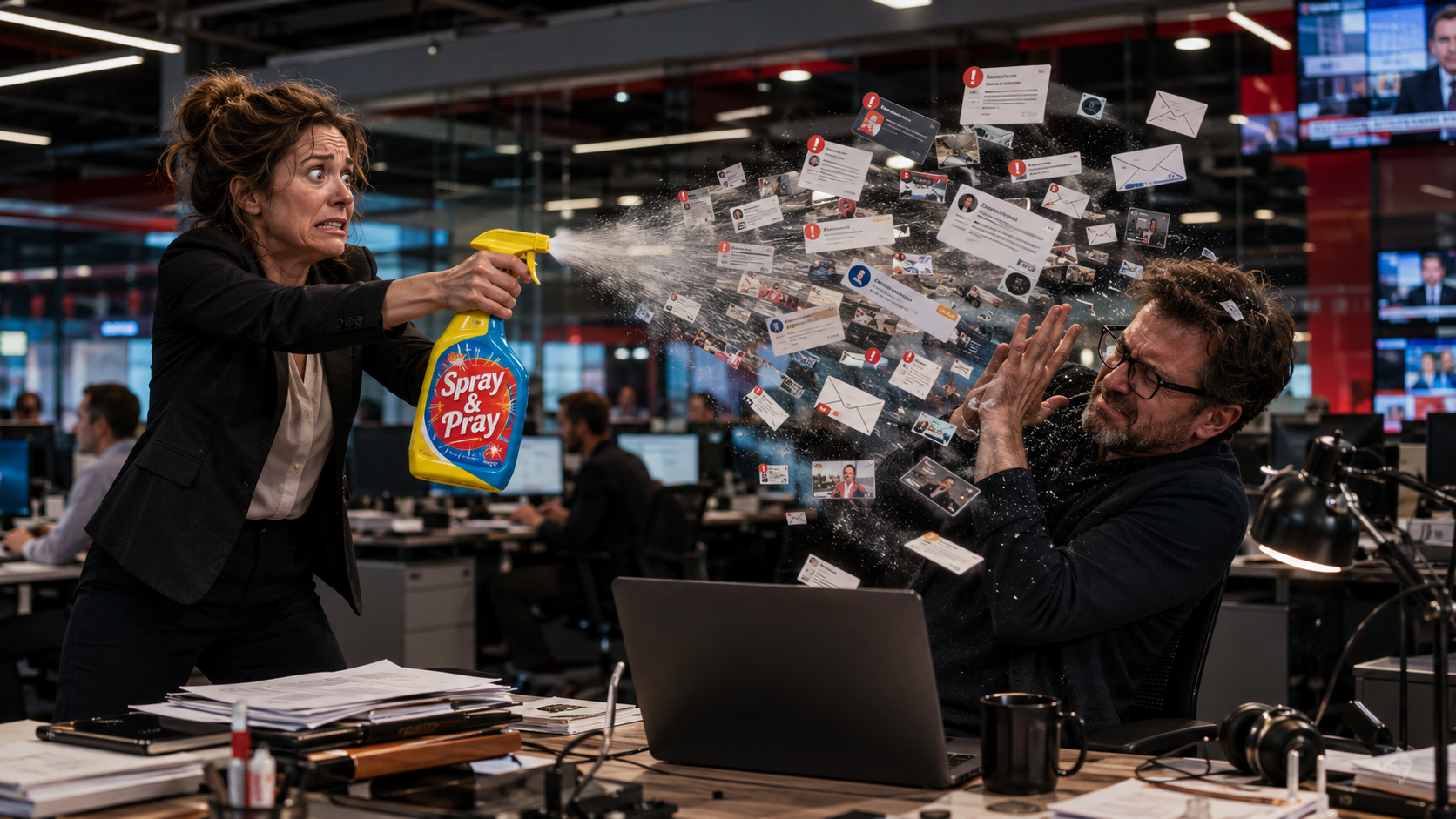
Increasingly, the reporter is the channel — and that should change how you pitch

For years, I've told people the biggest mistake in media pitching is ‘spray and pray’. Blasting a generic pitch to hundreds of reporters and hoping something sticks. They have a name for that. It's called spam. It didn’t work 20 years ago. And it certainly doesn’t work today.

But something has shifted that’s making targeted pitching more important. More and more, we’re seeing that the journalist isn't just a person who works at a media outlet anymore. Increasingly, they are the outlet.

Read More

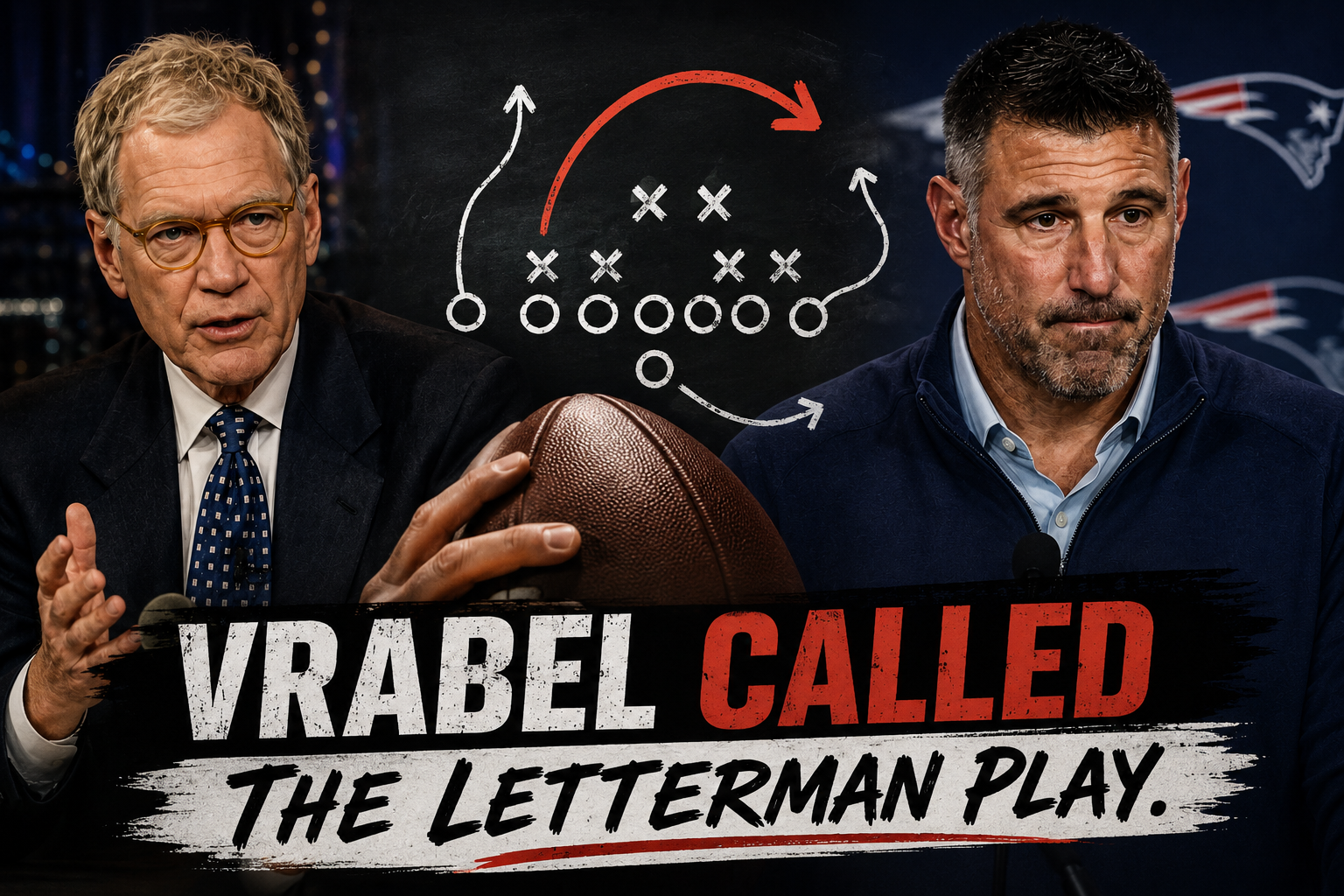
Vrabel Called the Letterman Play

Vrabel Called the Letterman Play

Seventeen years separate two of the more unusual public statements in the history of crisis comms. One was behind a late night desk. The other in front of a wall of NFL sponsor logos. Both men facing questions about their personal conduct. Both attempting to close the matter with a prepared statement. One of them succeeded.

Whether someone in Vrabel's camp pulled up the David Letterman clip from 2009 and said ‘this is our play’ is impossible to know. But the similarities are close enough that coincidence feels like a stretch.

Read More

The Most Obvious Question in the Room

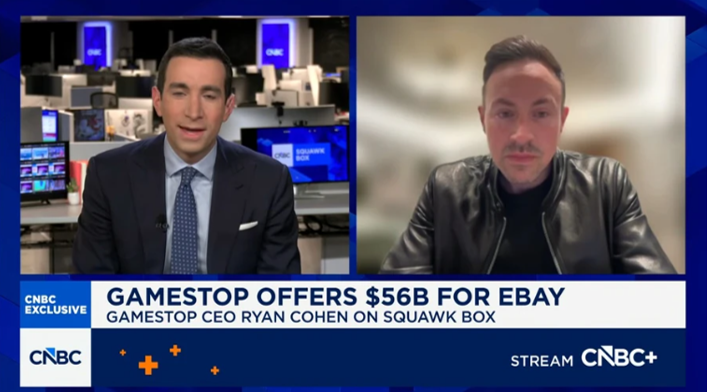
The Most Obvious Question in the Room

By now, most people in the business world have seen or heard about GameStop CEO Ryan Cohen's CNBC appearance this week, in which he attempted to defend his company's unsolicited $55.5 billion bid to acquire eBay. The interview did not go well. There were long, uncomfortable silences. There were dismissive responses to legitimate questions. When pressed repeatedly about a significant gap in financing for the deal, Cohen told one of the anchors he didn't understand her question and directed viewers to the company website for details. The stock dropped sharply. It became a meme by midday.

Read More

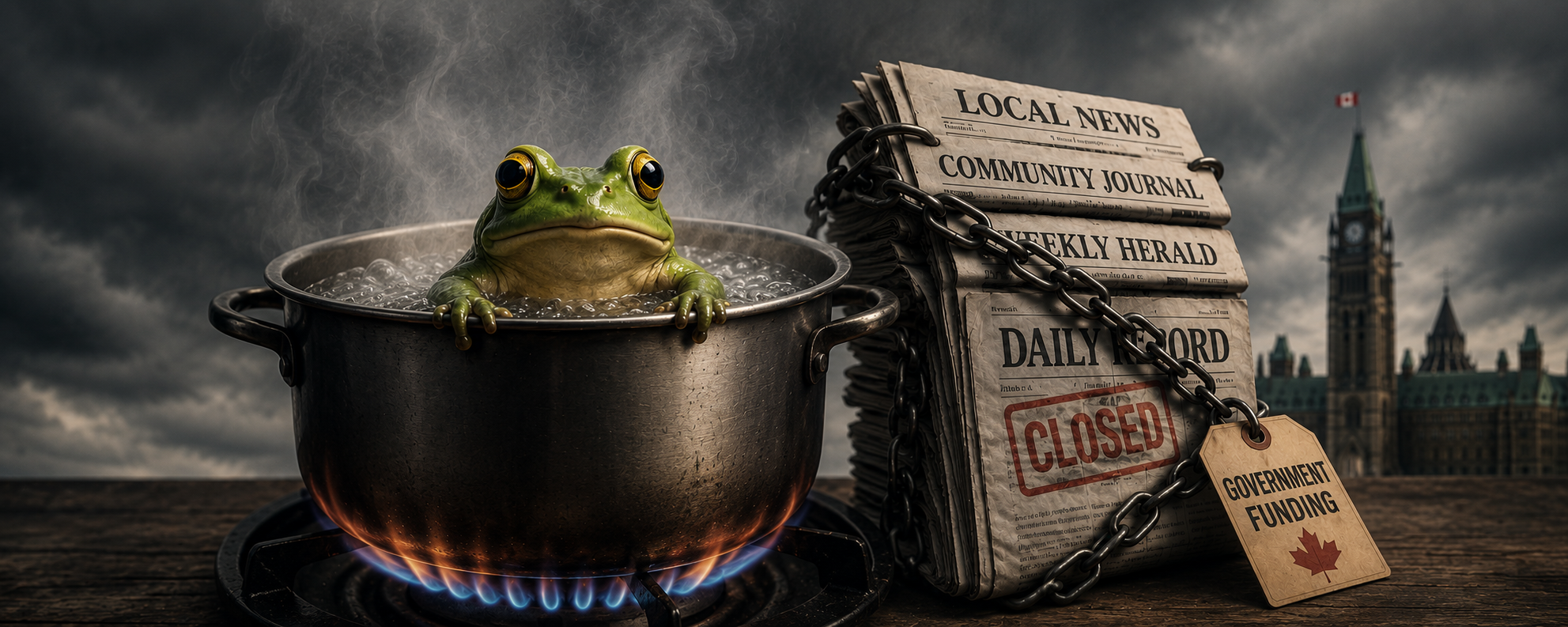
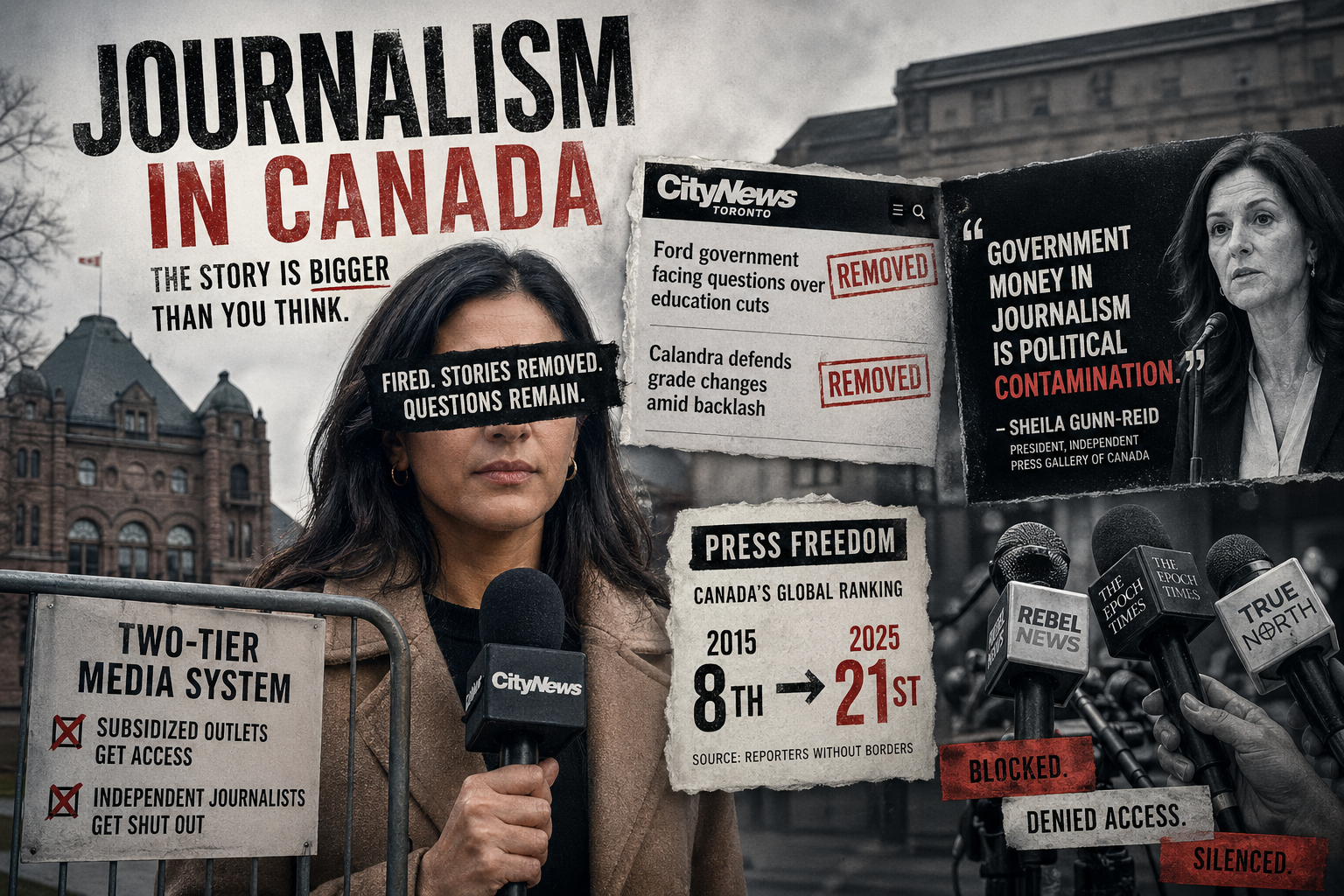
The Slow Erosion of Canadian Journalism (And Why It Should Scare You)

The Slow Erosion of Canadian Journalism (And Why It Should Scare You)

Something is happening to journalism in Canada, and most people are not paying attention. Not because they don't care. But because the very thing that would normally tell them about it is part of the problem.

Read More

The top things people are worried about before their media interview (and how to address them)

The top things people are worried about before their media interview (and how to address them)

Media interviews can be stressful. After all, there’s a lot on the line. And while no two people are exactly the same, as someone who helps coach people to do better media interviews for a living, I can tell you that there are some very common sources of interview anxiety. Here are the most common reasons people are stressed out about their media interviews (and some tips for minimizing that stress so that your interview goes well) and you can get that great coverage you’re hoping for:

Worry #1: They could ask me anything.

This is the biggest source of anxiety prior to an interview. Your mind starts racing with all the things they ‘might’ ask you and you spiral down a rabbit hole of terrible hypothetical topics. In reality, a media interview is a negotiated interaction. If it’s a proactive story you’re pitching, you know what the topic is. If it’s a reactive story where they’re calling you, the reporter should give you a clear overview of the focus of their story. Once you know the focus, it’s your job to craft some high-quality remarks that cater to that focus and tell an actual story that the reporter’s audience would find interesting. Could they go off script and ask you something totally out of the blue?

Read More

You can't rewrite yesterday's headlines

You can't rewrite yesterday's headlines

Interview regret…

It’s that nagging feeling, right after you’ve given a media interview, that you didn’t quite nail it. That you could have done a better job.

If only I had answered that one question differently. Did I say ‘um’ too many times? Could they see that I was sweating? They’re not going to put that last thing I said in the story, are they? If they do, our competitors are going to have a field day with it. What’s my boss going to say?

Cue anxiety. Self doubt. Interview regret.

Read More

The camera is always on...

Your media interview doesn't start when the reporter asks their first question. It starts the moment the phone rings, the moment you walk into their building or the moment they walk into yours.  And the interview isn't over when they say thank you and ask you how to spell your name. It's over when you've hung up the phone (and confirmed that you've hung up), when you leave their building and hear the door click behind you or when you see the journalist driving off into the distance... This unguarded, 'hot mic' moment of Sainsbury CEO Mike Coupe singing 'We're in the Money' is now part of his professional legacy. And it was totally preventable. 

Should we ask a journalist for a correction?

You did an interview with a journalist but you or someone at your company didn't like one of the quotes in the story or didn't like the way your company was characterized. Should you go back and ask for a correction? Here's my take on that question.

The Art of War in media relations

There's a line in The Art of War that says every battle is won or lost before it is ever fought. I really believe this is also true in media relations - a point that I expand on in this clip. I also give a real-life example of an interview I did a while back with The Canadian Press and how I put these techniques into practice (and how you can do it too).

Want the media to pay attention to you? Think more like a journalist!

"Is there any way to make your association's good news story more appealing to journalists?" Someone asked me this question after my talk on media relations at the CSAE National Conference in Newfoundland. Here's my take on getting reporters to pay attention to your media pitches... FYI, I reference my sister a few times in this clip. Just for context, so you know who I'm referring to, my sister is Carly Weeks, a health reporter at The Globe and Mail.

Great key messages aren't enough

In less than 30 seconds, here are the two things that every great spokesperson brings to every single media interview! 

Great key messages (by themselves) are not enough. You need to have the skills to excel at the 'chess match' of the interview as well. You need to have both of these things firing on all cylinders.

The wrong thing to think just before your media interview begins

"I hope this goes well..." That's the last thing most people say to themselves just before they're interviewed by a journalist. It might be a nice sentiment, but from a media relations standpoint, it's a losing proposition. A great spokesperson will be much more intentional and proactive about what they want their quotes/coverage to look like.

Your key messages are too long!

One of the quickest things you can do to improve the quality of your media coverage is to focus on creating shorter, more powerful messages that tell your story in a way that will be interesting to journalists and your audience. 

When your messages are too long, journalists are forced to edit your answers, which increases the chances that a partial answer may be taken out of context.

So...how long should your messages be? This is my take on that question.

A media relations primer for Anthony Scaramucci

A media relations primer for Anthony Scaramucci

Apparently the new White House Communications Director doesn't understand how journalism works. Here's a quick primer:

  • If you're talking to a reporter, that's an interview.
  • Anything you say during an interview can be used by the reporter (unless you clarify and agree in advance that something is either 'background' or 'off the...
Read More

Media spokespeople: Get out of 'CSI' mode!

Without realizing they're doing it, many media spokespeople put themselves in what I call CSI mode. They default to a role that's the equivalent of a suspect being interrogated by the police. And when it comes to conducting media interviews on behalf of your brand, that's not a winning approach...

Stop treating your media interviews like police interrogations

Stop treating your media interviews like police interrogations

You've seen it a million times on shows like CSI, Cold Case, Law & Order and NCIS. They cut away from a commercial and suddenly, you're transported to the interrogation room. It's just a table, a few chairs and a one-way mirror. But this is a room with a lot of baggage. Before anyone says a word, the power dynamic is already well established. There's no doubt about the fact that...

Read More

Don't trust your spokespeople with a media training tourist

Don't trust your spokespeople with a media training tourist

Being asked to prepare a company's spokespeople to deal with the media is a huge honor and it's a big responsibility. One way or another, as a media trainer, your ability (or inability) to coach these people will impact the quality of their company's media coverage, their brand and, to an extent, their professional legacies. Because there's so much riding on the outcome of your media training program, if you're serious about preparing your executives to deal with the media as effectively as possible, you need to stay away from media training 'tourists'... 

Read More

Getting the media to pay attention to your association

Getting the media to pay attention to your association

Every year, associations spend millions of dollars trying to convince news outlets to cover their stories. The majority of these pitches suffer the same fate: deletion. With a few small changes, however, you can significantly increase your odds of getting a reporter's attention and providing you with the media coverage you're seeking. 

Read More

Dr. Charles Drake: Medical Miracleworker

Dr. Charles Drake: Medical Miracleworker

This year marks my 20th anniversary of getting into the corporate communications business. But before making the leap into the corporate world, I did work as a journalist for a few months. I was going through some old things recently and found this article, which was the first freelance story I had published after getting my journalism degree. It was published 20 years ago this week in a short-lived newspaper called The Forest City News, based in London, Ontario. It tells the story of a great Canadian who passed away in 1998. And two decades and millions of words later, it's probably my favourite thing I've written to-date... 

Read More