Increasingly, the reporter is the channel — and that should change how you pitch

Increasingly, the reporter is the channel — and that should change how you pitch

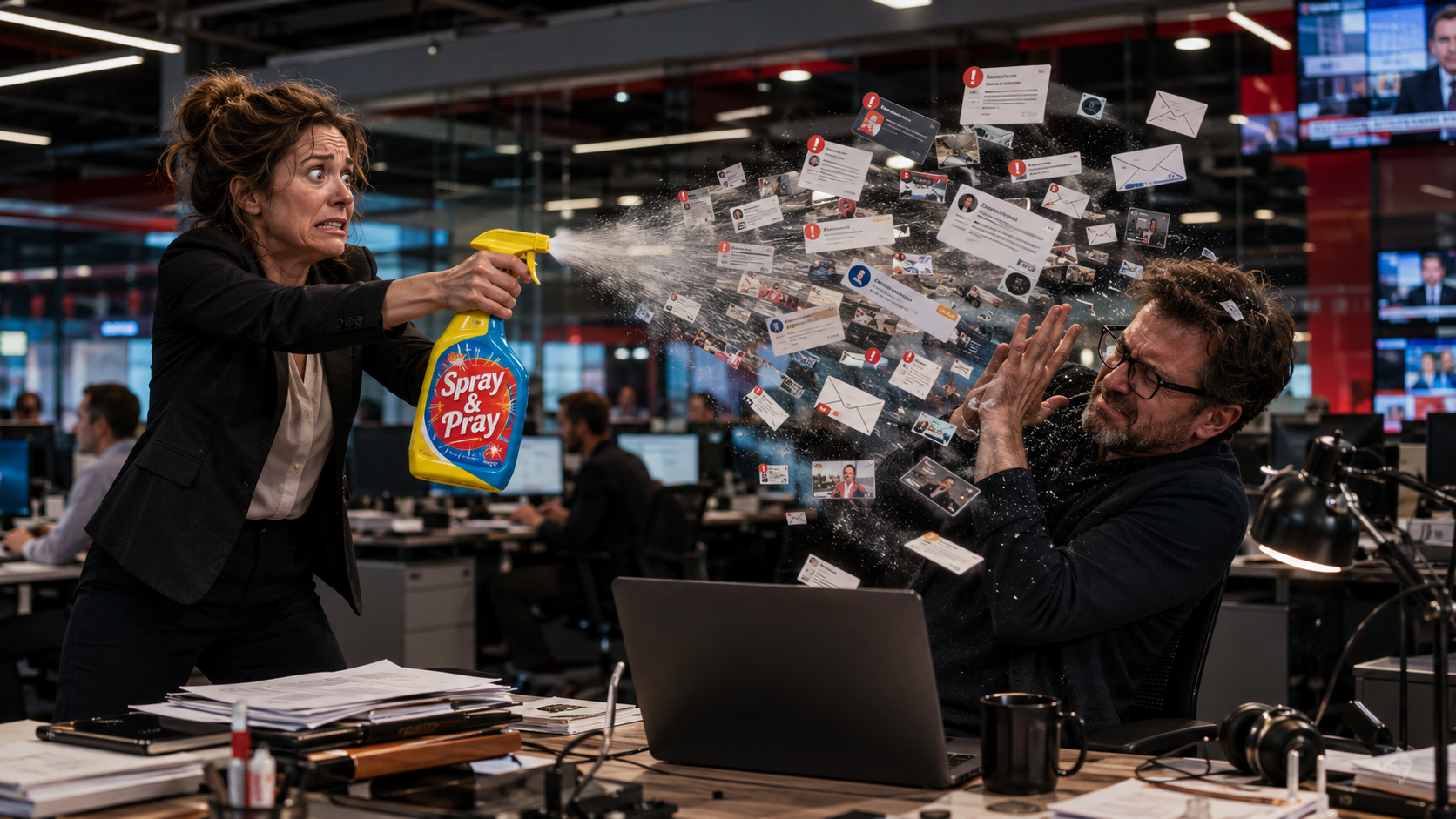
For years, I've told people the biggest mistake in media pitching is ‘spray and pray’. Blasting a generic pitch to hundreds of reporters and hoping something sticks. They have a name for that. It's called spam. It didn’t work 20 years ago. And it certainly doesn’t work today.

But something has shifted that’s making targeted pitching more important. More and more, we’re seeing that the journalist isn't just a person who works at a media outlet anymore. Increasingly, they are the outlet.

Read More

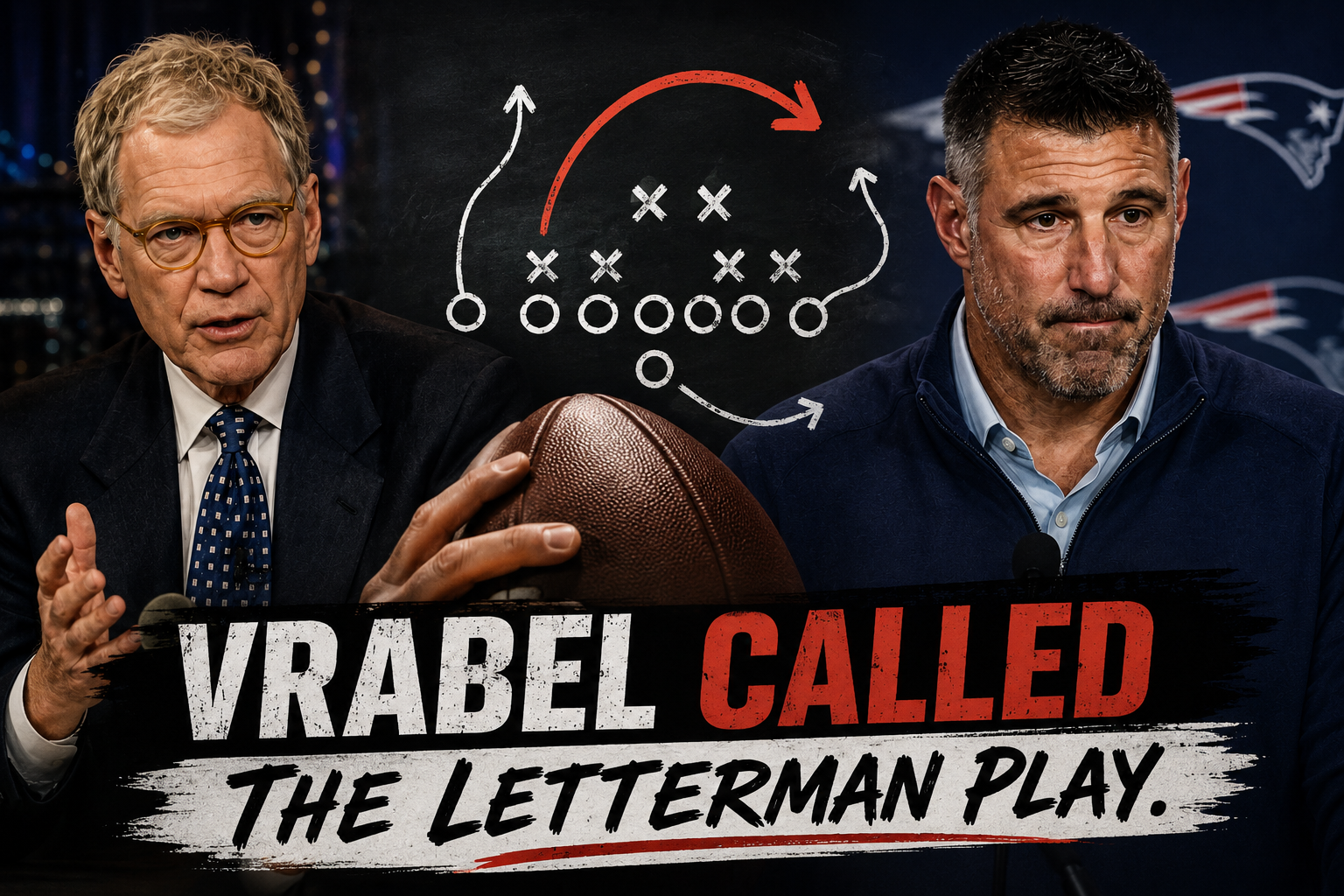
Vrabel Called the Letterman Play

Vrabel Called the Letterman Play

Seventeen years separate two of the more unusual public statements in the history of crisis comms. One was behind a late night desk. The other in front of a wall of NFL sponsor logos. Both men facing questions about their personal conduct. Both attempting to close the matter with a prepared statement. One of them succeeded.

Whether someone in Vrabel's camp pulled up the David Letterman clip from 2009 and said ‘this is our play’ is impossible to know. But the similarities are close enough that coincidence feels like a stretch.

Read More

The Most Obvious Question in the Room

The Most Obvious Question in the Room

By now, most people in the business world have seen or heard about GameStop CEO Ryan Cohen's CNBC appearance this week, in which he attempted to defend his company's unsolicited $55.5 billion bid to acquire eBay. The interview did not go well. There were long, uncomfortable silences. There were dismissive responses to legitimate questions. When pressed repeatedly about a significant gap in financing for the deal, Cohen told one of the anchors he didn't understand her question and directed viewers to the company website for details. The stock dropped sharply. It became a meme by midday.

Read More

What You Do to the People You Fire Says Everything to the People You Keep

What You Do to the People You Fire Says Everything to the People You Keep

Oracle laid off up to 30,000 people on April 1st. Employees woke up to find an email had arrived early that morning. Their computer access was already gone before they'd read it. What does that say to everyone who's still there?

Read More

The Slow Erosion of Canadian Journalism (And Why It Should Scare You)

The Slow Erosion of Canadian Journalism (And Why It Should Scare You)

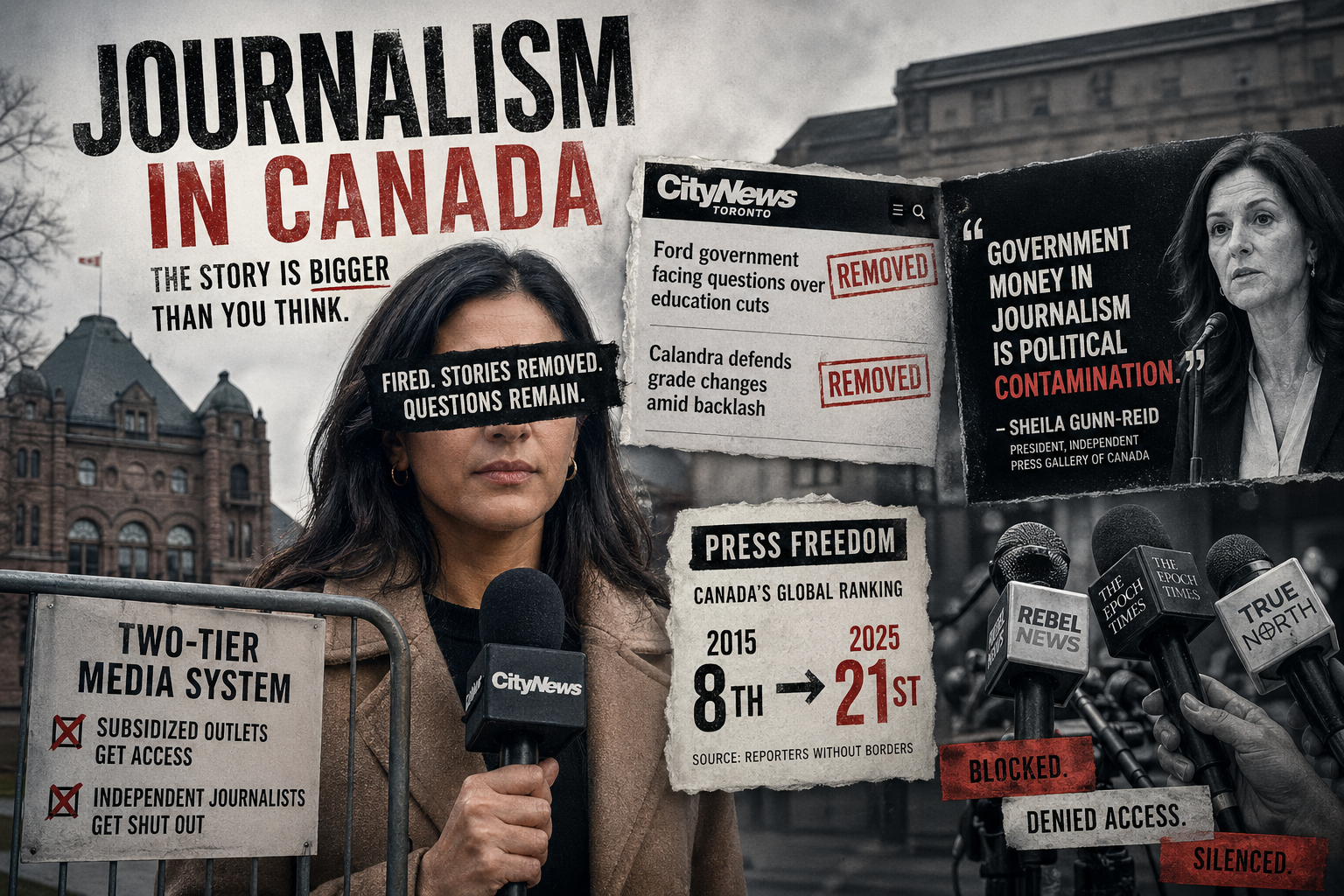
Something is happening to journalism in Canada, and most people are not paying attention. Not because they don't care. But because the very thing that would normally tell them about it is part of the problem.

Read More

The dangers of ignoring the elephant

The dangers of ignoring the elephant

People who don't truly understand the media interview process or how journalism works will often bring an element of wishful thinking to their interviews. Even though they know on an intellectual level that a reporter is almost certain to ask them a very obvious, important and potentially controversial question about a given story, they pretend that it doesn't exist. They prepare for the interview as if that question can't possibly be asked. And when it does invariably get asked, they try to dance around the question, weasel out of it or get flustered and crash and burn.

Read More

Media training is the blind spot

Media training is the blind spot

Executives and entrepreneurs dedicate their lives to self improvement. They vie for the most prestigious schools. Many pursue post-graduate studies. They go on retreats, read books, listen to podcasts, attend conferences, do cleanses, meditate, do yoga, try intermittent fasting. They’re constantly on the lookout for a hack. An edge. Something that will make them smarter, more agile, better prepared, more successful.

Read More

They'll judge you not on the crisis, but on how you handle it...

Bad things happen. They can happen in any sector or industry. For the most part, the public will not judge your organization on the circumstances of your crisis. They are much more likely to judge you on the way you handle it.

When is your media interview over?

When is your media interview over. That’s easy. It’s when they stop asking questions, right? Not so fast! There are a lot of things you can do or say after the last question that can derail your media relations plans. It’s never over until it’s really over. Here are a few things to consider on that note.

Why are people not doing practice interviews before speaking to the media?

One of the sad truths I’ve come to realize doing media training sessions in Canada and other countries is that the typical smart, career-minded professional will put WAY more work and preparation into a short, in-house presentation than they will for a media interview. I have my theories about why that is - namely, that they’re seeing it more as a conversation with the reporter than what it really is - an on-the-record interview that will be archived online forever.

I have this saying when it comes to media interviews, that ‘the first is the worst’. By definition, the first time you do it should logically be the worst. Most people do that first interview with a reporter though and they leave a lot of upside on the table. But what if you tried doing the first version of an interview with your in-house media relations person or with someone like me? Then you got some real, pull no punches feedback and tried it again. The second version of that interview will be significantly better than the first. Then, you do it with the reporter. The result is better media coverage.

One of the biggest reasons people mess up their media interviews

It's the Achilles heel of way too many spokespeople. And it's completely preventable if you know what to do. The #1 reason why people underperform in media interviews is that they don't make the time to prepare in advance. You don't need a ton of time. Just 20-30 minutes. But for whatever reason, spokespeople seem to think they can improvise a media interview and have it go well.

The Art of War in media relations

There's a line in The Art of War that says every battle is won or lost before it is ever fought. I really believe this is also true in media relations - a point that I expand on in this clip. I also give a real-life example of an interview I did a while back with The Canadian Press and how I put these techniques into practice (and how you can do it too).

Want the media to pay attention to you? Think more like a journalist!

"Is there any way to make your association's good news story more appealing to journalists?" Someone asked me this question after my talk on media relations at the CSAE National Conference in Newfoundland. Here's my take on getting reporters to pay attention to your media pitches... FYI, I reference my sister a few times in this clip. Just for context, so you know who I'm referring to, my sister is Carly Weeks, a health reporter at The Globe and Mail.

Advice to media relations pros: "Never stop learning"

The media landscape is always changing. When you think you've seen it all or when you think you're done learning, you'll be putting yourself and your clients in a vulnerable position. Keep learning. Pay attention to the changes from things like social media. Continue to adapt to the changing media environment.

A media relations primer for Anthony Scaramucci

A media relations primer for Anthony Scaramucci

Apparently the new White House Communications Director doesn't understand how journalism works. Here's a quick primer:

  • If you're talking to a reporter, that's an interview.
  • Anything you say during an interview can be used by the reporter (unless you clarify and agree in advance that something is either 'background' or 'off the...
Read More

Stop treating your media interviews like police interrogations

Stop treating your media interviews like police interrogations

You've seen it a million times on shows like CSI, Cold Case, Law & Order and NCIS. They cut away from a commercial and suddenly, you're transported to the interrogation room. It's just a table, a few chairs and a one-way mirror. But this is a room with a lot of baggage. Before anyone says a word, the power dynamic is already well established. There's no doubt about the fact that...

Read More

Persistence

Persistence

I did a talk in January on the importance of doing videos for your business. For years, I've been telling companies and clients this but I refrained from doing it for my own business. The biggest reason is that it's outside my comfort zone. I prefer to be the guy behind the camera. But I asked everyone in that room to create a video and I promised to do one myself. So here it is. If I had to do just one video, this had to be the topic. Persistence. I truly believe that's the main reason I've had any degree of success in building a business over the past 14 years. The link to the video is in my bio. Thanks for watching and please share it with anyone who needs a nudge or a kick in the butt to pursue their goals. 

Read More

Getting the media to pay attention to your association

Getting the media to pay attention to your association

Every year, associations spend millions of dollars trying to convince news outlets to cover their stories. The majority of these pitches suffer the same fate: deletion. With a few small changes, however, you can significantly increase your odds of getting a reporter's attention and providing you with the media coverage you're seeking. 

Read More

Quebec mayor by day, kitten killer by night

Quebec mayor by day, kitten killer by night

What is the deal with Canada's mayors? There's the crack video allegations swirling about Toronto Mayor Rob Ford. The resignation of Laval Mayor Alexandre Duplessis after being linked to a sex scandal. (Oh, and Mr. Duplessis was appointed after Laval's former mayor was forced out of office because of corruption allegations). Then there's the resignation of Montreal Mayor Michael Applebaum, who faces charges involving fraud, conspiracy and corruption... 

Read More