Vrabel Called the Letterman Play

Vrabel Called the Letterman Play

Seventeen years separate two of the more unusual public statements in the history of crisis comms. One was behind a late night desk. The other in front of a wall of NFL sponsor logos. Both men facing questions about their personal conduct. Both attempting to close the matter with a prepared statement. One of them succeeded.

Whether someone in Vrabel's camp pulled up the David Letterman clip from 2009 and said ‘this is our play’ is impossible to know. But the similarities are close enough that coincidence feels like a stretch.

Read More


Thoughts and Prayers (and other things we say that no longer mean anything)

Thoughts and Prayers (and other things we say that no longer mean anything)

I was in a media training session last week with a group of smart, thoughtful and empathetic people. Each was a leader who could potentially be called upon to speak publicly if something went wrong. And in the industry they work in, things occasionally go wrong in ways that affect real people and make big headlines.

Read More

The Most Obvious Question in the Room

The Most Obvious Question in the Room

By now, most people in the business world have seen or heard about GameStop CEO Ryan Cohen's CNBC appearance this week, in which he attempted to defend his company's unsolicited $55.5 billion bid to acquire eBay. The interview did not go well. There were long, uncomfortable silences. There were dismissive responses to legitimate questions. When pressed repeatedly about a significant gap in financing for the deal, Cohen told one of the anchors he didn't understand her question and directed viewers to the company website for details. The stock dropped sharply. It became a meme by midday.

Read More

What You Do to the People You Fire Says Everything to the People You Keep

What You Do to the People You Fire Says Everything to the People You Keep

Oracle laid off up to 30,000 people on April 1st. Employees woke up to find an email had arrived early that morning. Their computer access was already gone before they'd read it. What does that say to everyone who's still there?

Read More

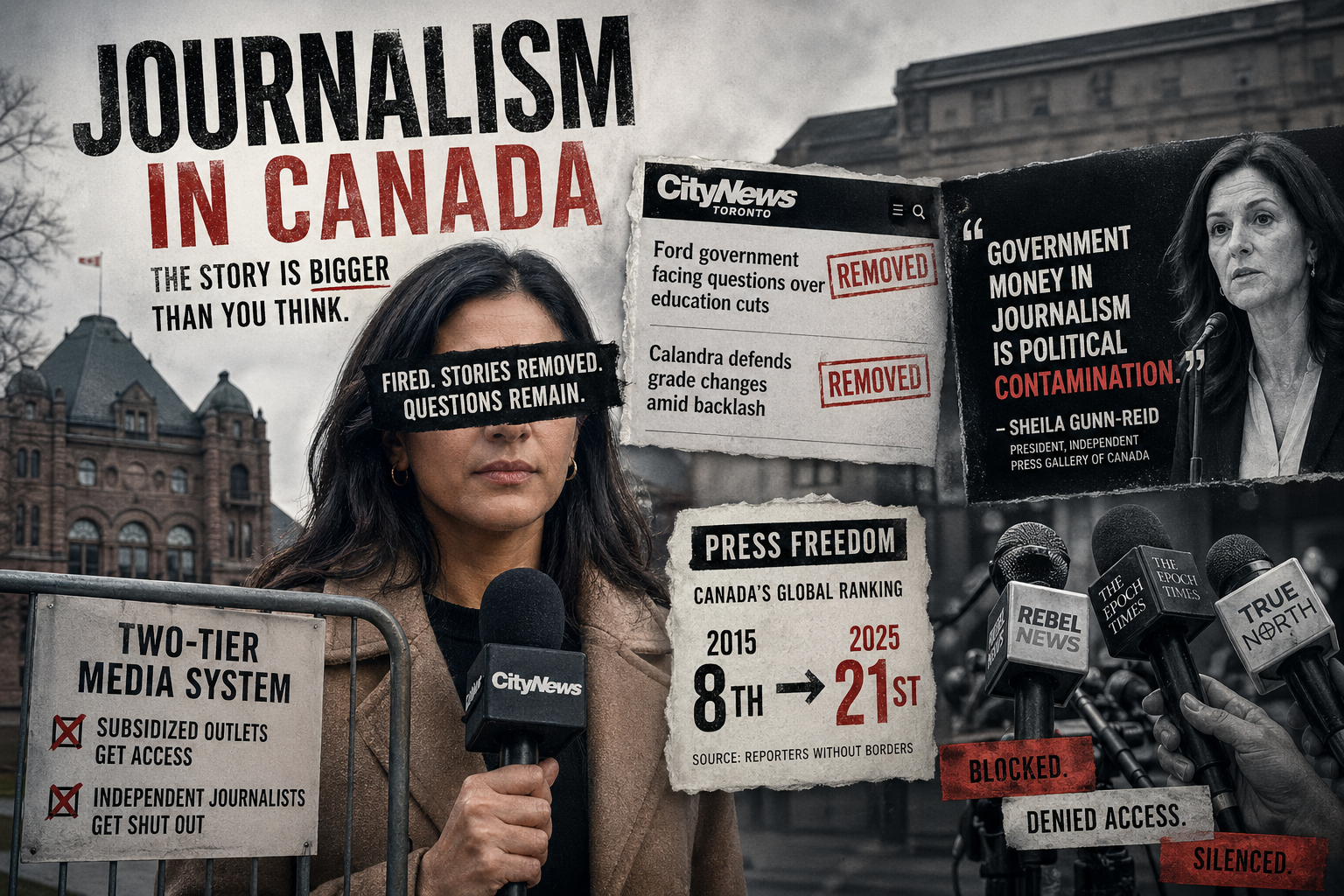
The Slow Erosion of Canadian Journalism (And Why It Should Scare You)

The Slow Erosion of Canadian Journalism (And Why It Should Scare You)

Something is happening to journalism in Canada, and most people are not paying attention. Not because they don't care. But because the very thing that would normally tell them about it is part of the problem.

Read More

Why are there so few examples of great crisis management?

When I ask most audiences to name a company that did a great job managing a crisis, most people (in Canada, anyway) say the name of one company: Maple Leaf Foods. I agree. They did a great job. But the real question is this...Why are there so few examples of excellent crisis management and so many instances of companies doing the wrong thing? The answer, in part, is human nature. That, and a lack of prep and planning.

Dealing with a crisis? Don't make it worse.

When your company has to contend with a crisis, one of your top jobs is to not make it worse. But there are so many ways to make it worse. Long delays in getting back to the media. A lack of empathy in your response. Insincere or missing apologies. Conflicting messages from multiple spokespeople. The list goes on. Part of any sound crisis management strategy is having a plan in place and training your executives so they know what to do if something goes wrong.

They'll judge you not on the crisis, but on how you handle it...

Bad things happen. They can happen in any sector or industry. For the most part, the public will not judge your organization on the circumstances of your crisis. They are much more likely to judge you on the way you handle it.

Twitter metrics show extent of backlash against Weiner

Twitter metrics show extent of backlash against Weiner

For the second time in just over two years, Anthony Weiner, the former New York congressman and NYC mayoral hopeful, held a press conference apologizing for sending explicit photos to women over the Internet. In 2011, his indiscretions forced him to resign from Congress. This time, however, Weiner says he isn't going anywhere and will remain in the race for mayor of New York City. But will the voting public let Weiner (and his alter-ego, 'Carlos Danger') off the hook yet again? Using Twitter as a barometer to gauge the public's reaction to Weinergate-2, early indications suggest the serial sexter's luck may be running out... 

Read More

A lesson in how not to handle a crisis

A lesson in how not to handle a crisis

She was once the queen of greased up, fat-friendly, calorific Southern cooking on the Food Network. But after a bizarre few days that included an admission she once used horribly racist language  and ended with her blowing off a previously scheduled, heavily promoted Today Show interview , Ms. Deen has been unceremoniously booted from her throne as food television royalty. There are a few lessons observers can take away from the way Ms. Deen and her representatives handled this mess... 

Read More

Bad news and the importance of timing

Bad news and the importance of timing

In the world of public relations and reputation management, timing is usually the factor over which people have the least amount of control. The crisis communications cycle is usually set in motion by something or someone outside our control. The cruise ship runs out of power in the middle of the ocean. The tanker spills its cargo. An insider blows the whistle.

Read More

Crisis communications tips from The West Wing

Crisis communications tips from The West Wing

Crisis communications is one of the most stressful jobs around. And while there's no shortage of great courses, textbooks and videos out there to help you hone your crisis communications skills, there's no teacher like good...

Read More