Increasingly, the reporter is the channel — and that should change how you pitch

Increasingly, the reporter is the channel — and that should change how you pitch

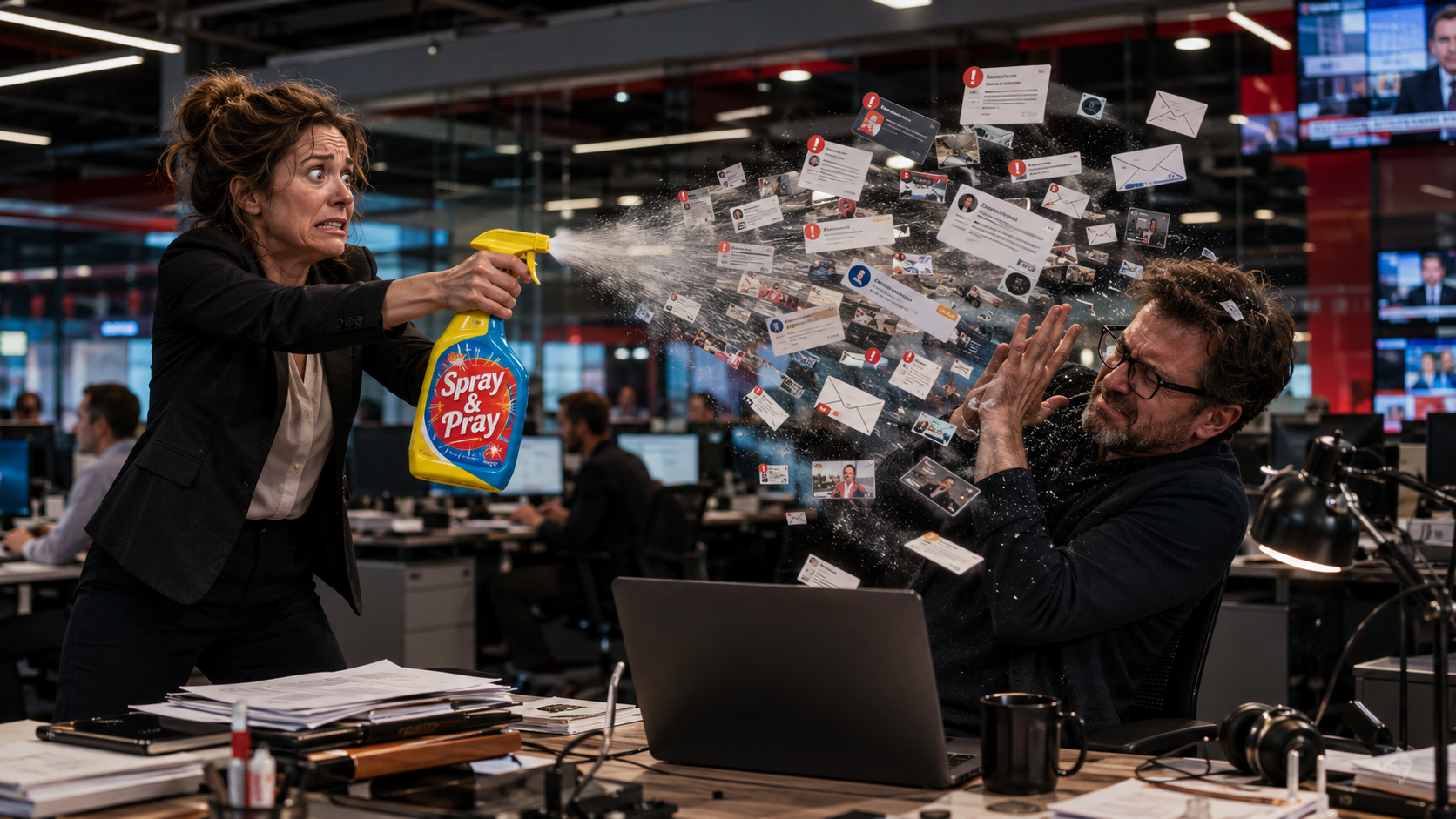
For years, I've told people the biggest mistake in media pitching is ‘spray and pray’. Blasting a generic pitch to hundreds of reporters and hoping something sticks. They have a name for that. It's called spam. It didn’t work 20 years ago. And it certainly doesn’t work today.

But something has shifted that’s making targeted pitching more important. More and more, we’re seeing that the journalist isn't just a person who works at a media outlet anymore. Increasingly, they are the outlet.

Read More

The Most Obvious Question in the Room

The Most Obvious Question in the Room

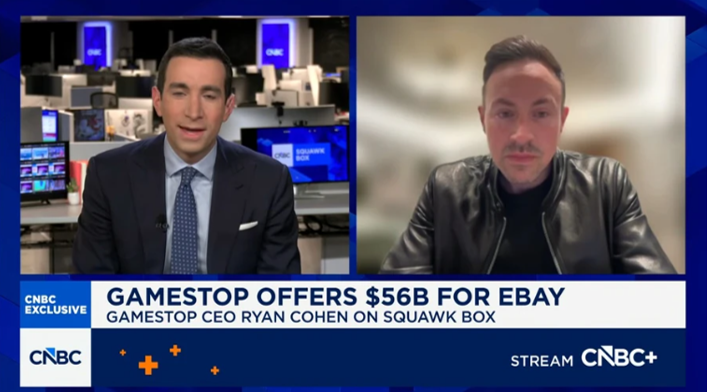
By now, most people in the business world have seen or heard about GameStop CEO Ryan Cohen's CNBC appearance this week, in which he attempted to defend his company's unsolicited $55.5 billion bid to acquire eBay. The interview did not go well. There were long, uncomfortable silences. There were dismissive responses to legitimate questions. When pressed repeatedly about a significant gap in financing for the deal, Cohen told one of the anchors he didn't understand her question and directed viewers to the company website for details. The stock dropped sharply. It became a meme by midday.

Read More

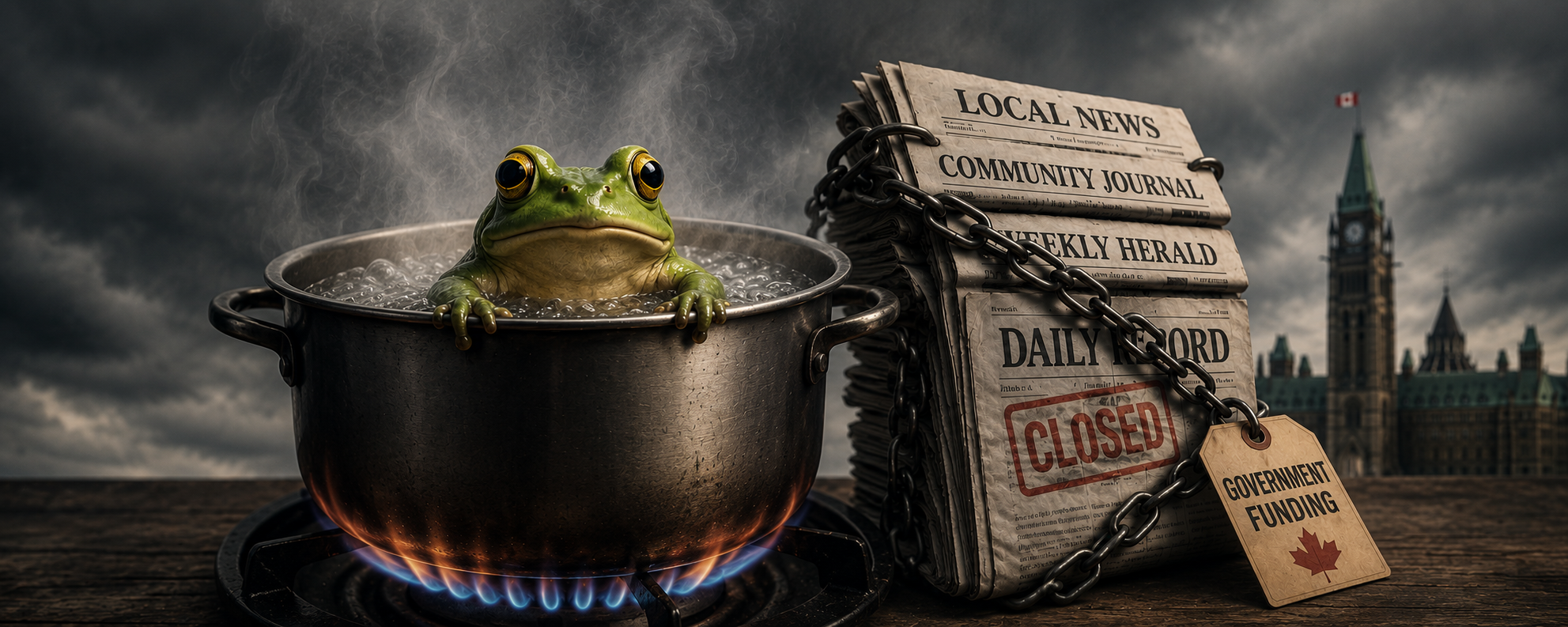
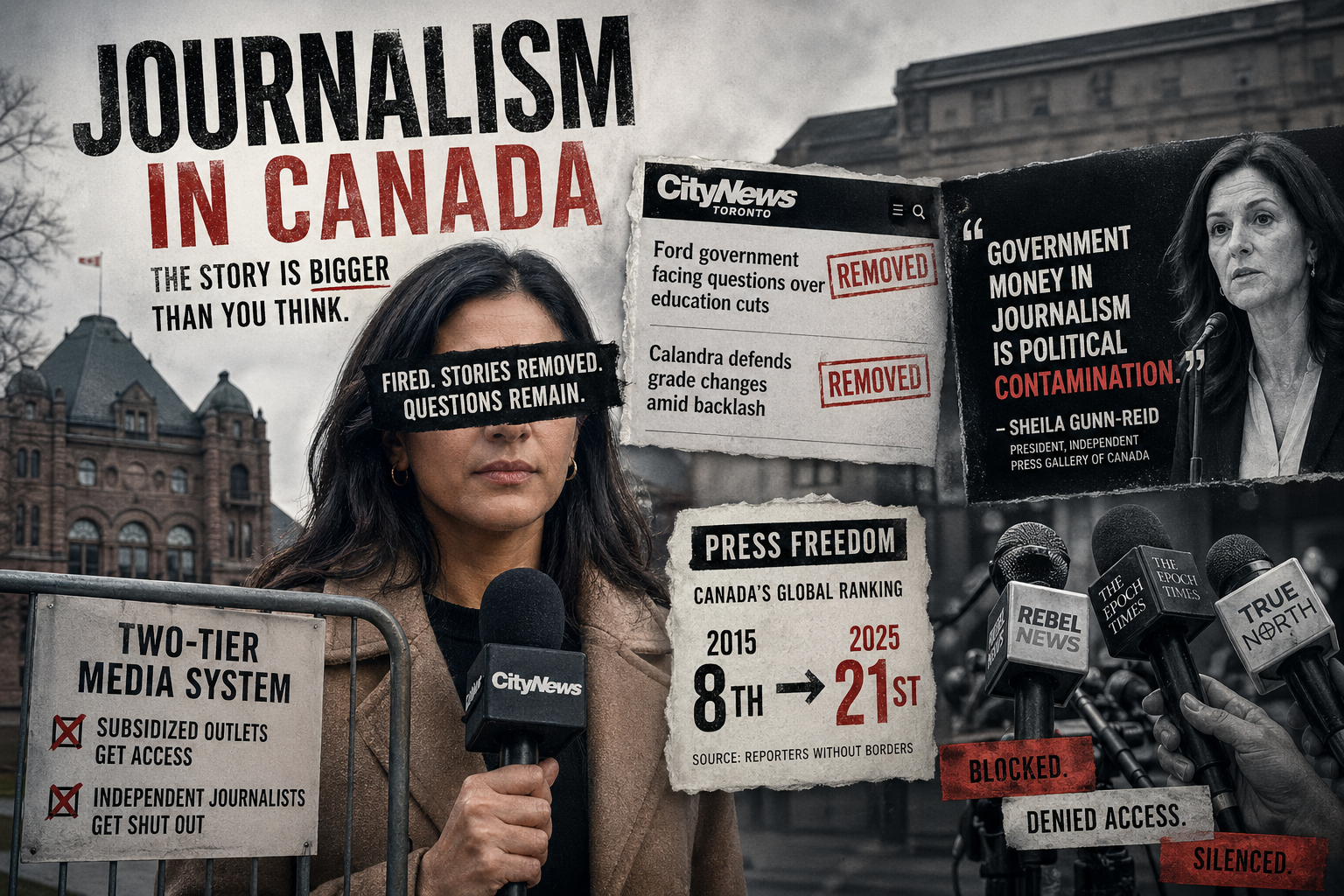
The Slow Erosion of Canadian Journalism (And Why It Should Scare You)

The Slow Erosion of Canadian Journalism (And Why It Should Scare You)

Something is happening to journalism in Canada, and most people are not paying attention. Not because they don't care. But because the very thing that would normally tell them about it is part of the problem.

Read More

The dangers of ignoring the elephant

The dangers of ignoring the elephant

People who don't truly understand the media interview process or how journalism works will often bring an element of wishful thinking to their interviews. Even though they know on an intellectual level that a reporter is almost certain to ask them a very obvious, important and potentially controversial question about a given story, they pretend that it doesn't exist. They prepare for the interview as if that question can't possibly be asked. And when it does invariably get asked, they try to dance around the question, weasel out of it or get flustered and crash and burn.

Read More

Why are there so few examples of great crisis management?

When I ask most audiences to name a company that did a great job managing a crisis, most people (in Canada, anyway) say the name of one company: Maple Leaf Foods. I agree. They did a great job. But the real question is this...Why are there so few examples of excellent crisis management and so many instances of companies doing the wrong thing? The answer, in part, is human nature. That, and a lack of prep and planning.

The top things people are worried about before their media interview (and how to address them)

The top things people are worried about before their media interview (and how to address them)

Media interviews can be stressful. After all, there’s a lot on the line. And while no two people are exactly the same, as someone who helps coach people to do better media interviews for a living, I can tell you that there are some very common sources of interview anxiety. Here are the most common reasons people are stressed out about their media interviews (and some tips for minimizing that stress so that your interview goes well) and you can get that great coverage you’re hoping for:

Worry #1: They could ask me anything.

This is the biggest source of anxiety prior to an interview. Your mind starts racing with all the things they ‘might’ ask you and you spiral down a rabbit hole of terrible hypothetical topics. In reality, a media interview is a negotiated interaction. If it’s a proactive story you’re pitching, you know what the topic is. If it’s a reactive story where they’re calling you, the reporter should give you a clear overview of the focus of their story. Once you know the focus, it’s your job to craft some high-quality remarks that cater to that focus and tell an actual story that the reporter’s audience would find interesting. Could they go off script and ask you something totally out of the blue?

Read More

The two worst characteristics for anyone doing a media interview

Being smart and being nice. Sound strange? Those are actually two of the worst characteristics to bring into your media interview. Now, I’m not saying don’t be smart and don’t be nice. But in this video, I talk a little bit about how these two conversational habits can hurt the effectiveness of your media interviews.

When is your media interview over?

When is your media interview over. That’s easy. It’s when they stop asking questions, right? Not so fast! There are a lot of things you can do or say after the last question that can derail your media relations plans. It’s never over until it’s really over. Here are a few things to consider on that note.

Why are people not doing practice interviews before speaking to the media?

One of the sad truths I’ve come to realize doing media training sessions in Canada and other countries is that the typical smart, career-minded professional will put WAY more work and preparation into a short, in-house presentation than they will for a media interview. I have my theories about why that is - namely, that they’re seeing it more as a conversation with the reporter than what it really is - an on-the-record interview that will be archived online forever.

I have this saying when it comes to media interviews, that ‘the first is the worst’. By definition, the first time you do it should logically be the worst. Most people do that first interview with a reporter though and they leave a lot of upside on the table. But what if you tried doing the first version of an interview with your in-house media relations person or with someone like me? Then you got some real, pull no punches feedback and tried it again. The second version of that interview will be significantly better than the first. Then, you do it with the reporter. The result is better media coverage.

You can't rewrite yesterday's headlines

You can't rewrite yesterday's headlines

Interview regret…

It’s that nagging feeling, right after you’ve given a media interview, that you didn’t quite nail it. That you could have done a better job.

If only I had answered that one question differently. Did I say ‘um’ too many times? Could they see that I was sweating? They’re not going to put that last thing I said in the story, are they? If they do, our competitors are going to have a field day with it. What’s my boss going to say?

Cue anxiety. Self doubt. Interview regret.

Read More

The camera is always on...

Your media interview doesn't start when the reporter asks their first question. It starts the moment the phone rings, the moment you walk into their building or the moment they walk into yours.  And the interview isn't over when they say thank you and ask you how to spell your name. It's over when you've hung up the phone (and confirmed that you've hung up), when you leave their building and hear the door click behind you or when you see the journalist driving off into the distance... This unguarded, 'hot mic' moment of Sainsbury CEO Mike Coupe singing 'We're in the Money' is now part of his professional legacy. And it was totally preventable. 

Why you owe it to yourself to get proper media training this year

Why you owe it to yourself to get proper media training this year

Most companies and executives are obsessed with the idea of 'getting' media coverage. They send out news releases, pitch reporters, buy ads, create events/promotions and throw thousands of dollars at PR firms in the hopes of securing interviews. Far fewer, however, take the appropriate steps to prepare for the actual interview itself. The result....

Read More

One of the biggest reasons people mess up their media interviews

It's the Achilles heel of way too many spokespeople. And it's completely preventable if you know what to do. The #1 reason why people underperform in media interviews is that they don't make the time to prepare in advance. You don't need a ton of time. Just 20-30 minutes. But for whatever reason, spokespeople seem to think they can improvise a media interview and have it go well.

Should we ask a journalist for a correction?

You did an interview with a journalist but you or someone at your company didn't like one of the quotes in the story or didn't like the way your company was characterized. Should you go back and ask for a correction? Here's my take on that question.

The Art of War in media relations

There's a line in The Art of War that says every battle is won or lost before it is ever fought. I really believe this is also true in media relations - a point that I expand on in this clip. I also give a real-life example of an interview I did a while back with The Canadian Press and how I put these techniques into practice (and how you can do it too).

Want the media to pay attention to you? Think more like a journalist!

"Is there any way to make your association's good news story more appealing to journalists?" Someone asked me this question after my talk on media relations at the CSAE National Conference in Newfoundland. Here's my take on getting reporters to pay attention to your media pitches... FYI, I reference my sister a few times in this clip. Just for context, so you know who I'm referring to, my sister is Carly Weeks, a health reporter at The Globe and Mail.

Advice to media relations pros: "Never stop learning"

The media landscape is always changing. When you think you've seen it all or when you think you're done learning, you'll be putting yourself and your clients in a vulnerable position. Keep learning. Pay attention to the changes from things like social media. Continue to adapt to the changing media environment.

Great key messages aren't enough

In less than 30 seconds, here are the two things that every great spokesperson brings to every single media interview! 

Great key messages (by themselves) are not enough. You need to have the skills to excel at the 'chess match' of the interview as well. You need to have both of these things firing on all cylinders.